PRIME
PRIME – Pioneer TF-based Reprogramming to Intercept Pediatric Malignant Entities
Project overview
Pediatric cancers often arise from disrupted developmental processes that lock cells into immature, highly plastic states. PRIME aims to turn this developmental plasticity into a therapeutic vulnerability by harnessing pioneer transcription factors (TFs) to redirect malignant cells toward differentiated neuronal identities.
Using neuroblastoma as a model, PRIME will investigate how cellular reprogramming can reshape both tumor cell identity and interactions with the nervous microenvironment, ultimately opening new avenues for therapeutic interception.
Project coordinator and affiliation

Fabrice Lavial (Inserm Research Director, Cancer Research Center of Lyon (CRCL, Inserm U1052 / CNRS UMR 5286), France.
Cell fate reprogramming and pioneer transcription factors.
Research consortium



Céline Delloye-Bourgeois (CRCL, Lyon)
Neuroblastoma biology, developmental models and tumor–microenvironment interactions.
Arnaud Bonnaffoux (CRCL, Lyon)
Computational biology, multi-omics integration and gene regulatory network modeling.
Jose Polo (University of Adelaide)
Epigenetics and cell identity regulation.
Key objectives
- Decipher the molecular mechanisms of neuroblastoma reprogramming. Identify the transcriptional and epigenetic mechanisms driving tumor cell conversion toward neuronal identities and reconstruct the underlying cell fate trajectories.
- Investigate the impact of reprogramming on tumor progression. Determine how induced cell identity changes influence tumor growth, dissemination and interactions with the developing nervous system.
- Develop novel therapeutic interception strategies. Identify molecular interventions that mimic or enhance reprogramming effects and explore their combination with existing anticancer treatments.
Methodology
PRIME integrates complementary experimental and computational approaches:
- Cell fate reprogramming and single-cell multi-omics: Pioneer TF-based reprogramming combined with scRNA-seq, scATAC-seq and chromatin profiling to characterize cellular trajectories and epigenetic remodeling.
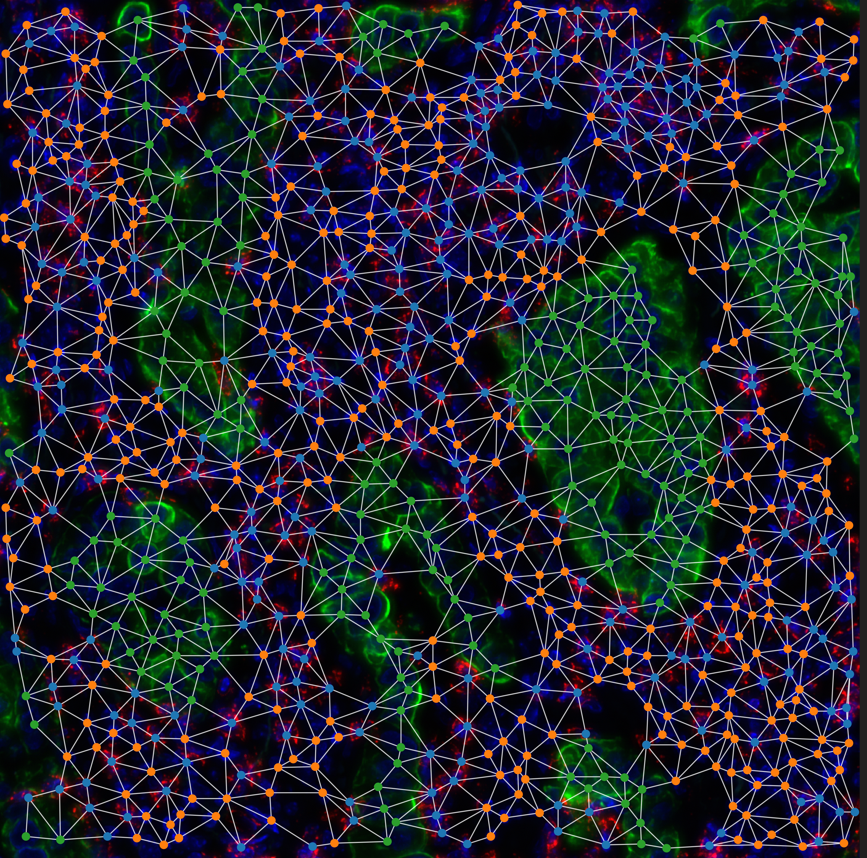
- Computational modeling: Integration of multi-omics datasets and inference of gene regulatory networks to identify key regulators and predict effective interventions.
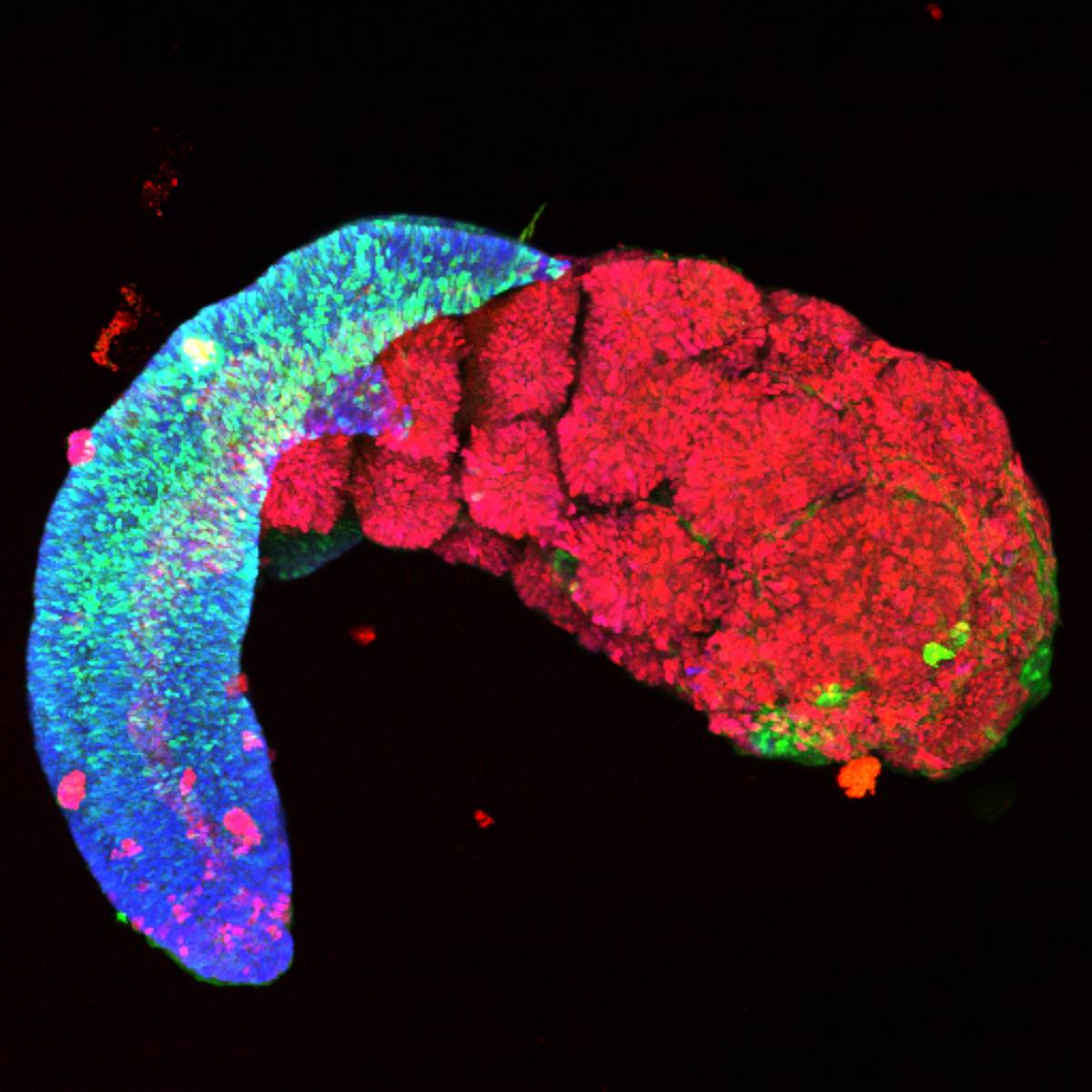
- In vivo cancer modeling: Innovative avian embryo models to investigate tumor progression and interactions with the developing nervous system.
- Preclinical evaluation: Computational drug prediction and experimental assessment of therapeutic combinations, including in patient-derived tumor models.
Expected outcomes
PRIME aims to establish a mechanistic framework for understanding and manipulating cell identity in pediatric cancers. Expected outcomes include the identification of key regulators of tumor cell plasticity, the development of predictive models of cell fate transitions, and the discovery of novel therapeutic vulnerabilities.
Ultimately, PRIME seeks to establish cell identity manipulation as a new therapeutic paradigm, using neuroblastoma as a proof of concept with potential applications to other embryonal pediatric cancers.
Les autres projets PEPR